The Steam Deck Price Hike Breaks a Decades-Old Rule
Business
28 May 2026 09:24
Hardware wise things are not going well in the industry. Expected but not welcome.
Valve is raising Steam Deck OLED prices by more than 40 percent, with the 512GB model jumping from $549 to $789 and the 1TB from $649 to $949. The entire history of consoles and handhelds runs the other way, where a device launches at its highest price and drifts cheaper over its lifecycle, which is normal.
Valve is doing the opposite to a years-old product it openly admits hasn't changed. As the company put it, "Steam Deck itself hasn't changed; these new prices reflect the current state of component costs and other global logistical challenges across the industry as a whole." A handheld getting meaningfully more expensive years after launch, with no redesign attached, is something the industry has rarely saw before.
Of course, the culprit is the memory shortage that has earned the nickname "RAMageddon," and understanding it explains why this isn't really a Valve story at all. Currently all over this blue dot of ours, AI companies are building out data centers. So they have been buying up enormous quantities of DRAM and NAND flash, the same memory and storage components that go into gaming hardware.
Valve had already flagged the problem in February, warning that Steam Deck OLED stock would be intermittent in some regions, and it pointed to additional logistical strain from supply-chain disruptions including the closure of the Strait of Hormuz following the conflict between the United States and Iran. The Steam Deck is simply the clearest example of the squeeze. There will be others from other companies in the future.
Contents
This Is the Whole Industry, Not One Handheld
It is a theme right now, and honestly, protect your tech at all costs, cause replacing it will be hard. Recently, Sony pushed PS5 prices up in April, with the standard model around $650 and the PS5 Pro near $900, while Nintendo has moved to raise Switch 2 pricing less than a year after that console launched. Xbox increased US console prices for a second time, and Lenovo bumped the Legion Go 2 by hundreds of dollars. By the looks of it the era of reliably "cheap" tech, at least for now, over, and the reason traces back to the AI build-out consuming the supply chain that gaming shares.
The Knock-On Effects Are Already Visible
Valve is also going to release new hardware and they are quietly shutting down old lines. The company already discontinued the most affordable LCD Steam Deck, removing the budget entry point entirely, and even refurbished OLED units now cost more than the original launch prices for the same storage.
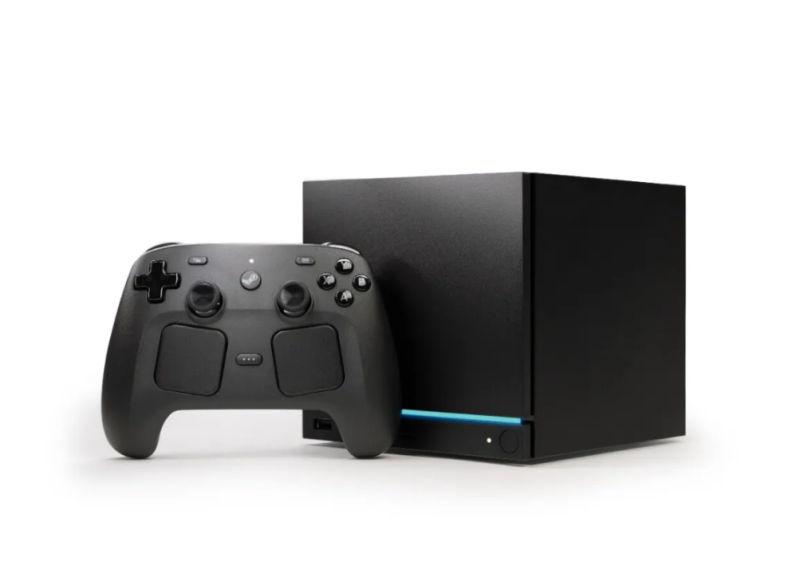
The bigger issue is Valve's upcoming hardware, since the Steam Machine and Steam Frame were both delayed over these same shortages, and the Steam Controller shipped on May 4 at a price Valve conceded was higher than originally planned. Early speculation had pegged the Steam Machine in the $600-700 range, but if the Steam Deck's increase is any guide, a four-figure price looks increasingly plausible. Both Steam Deck OLED models sold out within hours of the new prices going live, demand is still there.
Related news
View AllSteam continues to lift the bar. The fact that a game built around whipping Black plantation workers went live on...
Drama
May 25, 2026
Today Valve announced its decision to remove the NSFW tags from Steam, alongside other significant changes to the tag system....
Drama
May 20, 2026
TL;DR * Valve has told IGN the Steam Machine launch is "close" with news coming "soon," but has provided no...
Business
Apr 28, 2026
TL;DR * SteamDB strings discovered by user Roadrunner reveal Valve is developing a Framerate Estimator that would let users input...
More
Apr 06, 2026
TL;DR * Steam Deck OLED faces intermittent stock shortages in regions due to RAM crisis. * Valve delays new hardware...
More
Feb 17, 2026
Business
28 May 2026 09:24
Hardware wise things are not going well in the industry. Expected but not welcome.
Valve is raising Steam Deck OLED prices by more than 40 percent, with the 512GB model jumping from $549 to $789 and the 1TB from $649 to $949. The entire history of consoles and handhelds runs the other way, where a device launches at its highest price and drifts cheaper over its lifecycle, which is normal.
Valve is doing the opposite to a years-old product it openly admits hasn't changed. As the company put it, "Steam Deck itself hasn't changed; these new prices reflect the current state of component costs and other global logistical challenges across the industry as a whole." A handheld getting meaningfully more expensive years after launch, with no redesign attached, is something the industry has rarely saw before.
Of course, the culprit is the memory shortage that has earned the nickname "RAMageddon," and understanding it explains why this isn't really a Valve story at all. Currently all over this blue dot of ours, AI companies are building out data centers. So they have been buying up enormous quantities of DRAM and NAND flash, the same memory and storage components that go into gaming hardware.
Valve had already flagged the problem in February, warning that Steam Deck OLED stock would be intermittent in some regions, and it pointed to additional logistical strain from supply-chain disruptions including the closure of the Strait of Hormuz following the conflict between the United States and Iran. The Steam Deck is simply the clearest example of the squeeze. There will be others from other companies in the future.
This Is the Whole Industry, Not One Handheld
It is a theme right now, and honestly, protect your tech at all costs, cause replacing it will be hard. Recently, Sony pushed PS5 prices up in April, with the standard model around $650 and the PS5 Pro near $900, while Nintendo has moved to raise Switch 2 pricing less than a year after that console launched. Xbox increased US console prices for a second time, and Lenovo bumped the Legion Go 2 by hundreds of dollars. By the looks of it the era of reliably "cheap" tech, at least for now, over, and the reason traces back to the AI build-out consuming the supply chain that gaming shares.
The Knock-On Effects Are Already Visible
Valve is also going to release new hardware and they are quietly shutting down old lines. The company already discontinued the most affordable LCD Steam Deck, removing the budget entry point entirely, and even refurbished OLED units now cost more than the original launch prices for the same storage.
The bigger issue is Valve's upcoming hardware, since the Steam Machine and Steam Frame were both delayed over these same shortages, and the Steam Controller shipped on May 4 at a price Valve conceded was higher than originally planned. Early speculation had pegged the Steam Machine in the $600-700 range, but if the Steam Deck's increase is any guide, a four-figure price looks increasingly plausible. Both Steam Deck OLED models sold out within hours of the new prices going live, demand is still there.
Related news
View AllSteam continues to lift the bar. The fact that a game built around whipping Black plantation workers went live on...
Drama
May 25, 2026
Today Valve announced its decision to remove the NSFW tags from Steam, alongside other significant changes to the tag system....
Drama
May 20, 2026
TL;DR * Valve has told IGN the Steam Machine launch is "close" with news coming "soon," but has provided no...
Business
Apr 28, 2026
TL;DR * SteamDB strings discovered by user Roadrunner reveal Valve is developing a Framerate Estimator that would let users input...
More
Apr 06, 2026
TL;DR * Steam Deck OLED faces intermittent stock shortages in regions due to RAM crisis. * Valve delays new hardware...
More
Feb 17, 2026