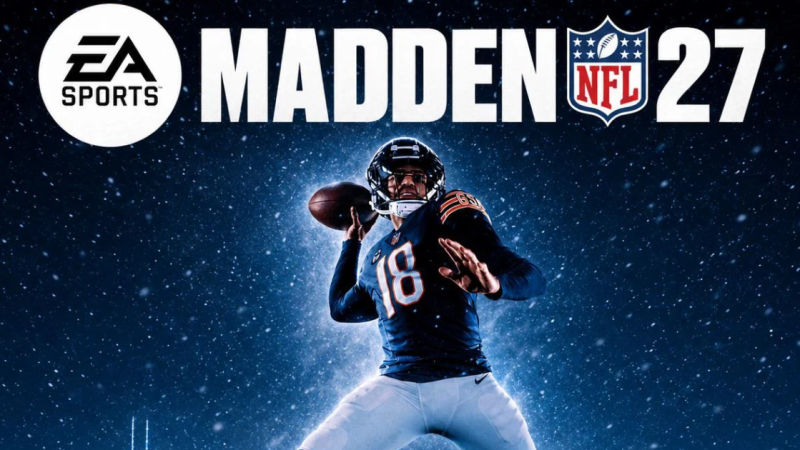
When EA stripped single-player microtransactions out of College Football 27 weeks ago, following a fierce backlash, it was tempting to read the reversal as a company that had listened and changed course. According to new reporting, that reading was naive. Madden NFL 27, due in just over a week, is understood to be launching with more microtransactions in its single-player Superstar mode, plus additional monetization options woven through other parts of the game to speed up progression. The retreat, in other words, appears to have been tactical rather than principled, and the model EA just publicly abandoned is reportedly being reintroduced almost immediately in its sister franchise.
The framing from sources close to EA's plans is where this gets genuinely revealing. When asked whether the monetization push was connected to the pending sale to the Saudi Public Investment Fund, one source said they couldn't be certain, but that increasing revenue was "a heavy discussion internally." That context is hard to ignore. EA is heading into a $55 billion buyout that will load the company with roughly $20 billion in fresh debt, and that debt has to be serviced. Reporting indicates the monetization drive isn't confined to Madden either, with sources describing it as portfolio-wide, spanning College Football, UFC 6's first-ever paid expansions, EA FC 27's upcoming The Grounds mode, and even future single-player-only titles. Under that lens, the College Football paywall reads less as an isolated misstep and more as the opening move in a much broader strategy to wring more money out of every franchise EA owns.
The Lesson EA Took Was About PR, Not Principle
The detail is what EA reportedly concluded went wrong the first time, because it wasn't the monetization itself. According to a source, the company believes its mistake with College Football 27 was the lack of upfront communication, the fact that the microtransactions appeared without warning, unmentioned to the creators who attended a preview event in Chicago and sprung on players only days before launch. So the corrective action isn't to abandon single-player monetization. It's to communicate it more clearly next time. That's a crucial distinction. EA isn't reconsidering whether to paywall Solo modes, it's refining how to announce that it's doing so, betting that transparency defuses the anger the monetization creates.
Sources say EA is fully braced for the backlash Madden will likely generate, hoping better communication softens it while acknowledging a segment of players will be upset regardless. And here's the line that captures the whole posture, attributed to a person familiar with the plans: "They won't give in to every social media movement." That single sentence reframes everything. The College Football reversal, seen this way, wasn't EA agreeing with its critics, it was EA making a one-off calculation that the fight wasn't worth it that particular time. The company is signalling it doesn't intend to fold so readily again, treating player revolt as noise to be weathered rather than feedback to be acted upon.
The Buyout Mindset Surfacing Early
What this really looks like is a company beginning to behave like one owned by private equity and a sovereign wealth fund before the deal has even closed. Leveraged buyouts run on a familiar logic, acquire the company using borrowed money, load that debt onto the business, then aggressively increase revenue and cut costs to service it. A hardened stance on monetization, applied across every annual franchise that already generates billions, is precisely the kind of behaviour that logic produces. It's worth remembering that Ultimate Team alone already earns EA enormous sums each year, so the push into single-player monetization isn't about survival, it's about maximising extraction from products players have already paid full price for. The people building these games reportedly aren't happy about it either, with earlier reporting describing the College Football core team as "livid" over decisions handed down from above.
More:A Failed Licensing Server Locked Xbox Players Out of Owned Games
 Read
Read
 Source Editing
 Visual Editing


 Related news