Switch 2 Sales Fall 87% in Japan After Price Increase
Business
05 June 2026 09:00
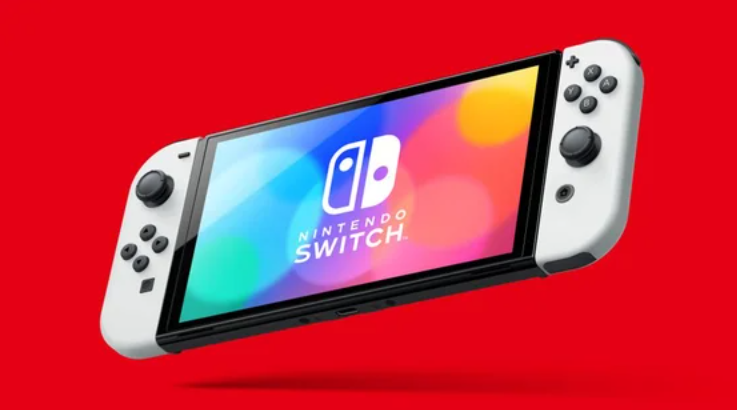
Nintendo Switch 2 sales in Japan dropped sharply in the first week after the console's price rose, falling 87% week-on-week. Hardware sales came in at 31,751 units for the week of May 25 to May 31, down from 247,880 the previous week. The figure still placed the Switch 2 at the top of Japan's hardware chart, but it marked a dramatic fall from the numbers Nintendo had been posting in the weeks leading up to the change.
Contents
The Surge Before the Drop
In the weeks before May 25, sales spiked well above the console's normal pace as buyers rushed to purchase ahead of the announced increase, with the final pre-hike week alone reaching nearly 248,000 units against a more typical weekly range of roughly 44,000 to 52,000. That surge effectively pulled a large amount of future demand forward into a short window. Once the higher price took effect, the pool of buyers who would have purchased anyway had largely already done so, leaving the following week to absorb the comedown. The 87% figure, in other words, is measured against an artificially inflated peak rather than a steady baseline.
Both the New and Old Hardware Took a Hit
The increase pushed the Japanese-language Switch 2 from ¥49,980 ($312) to ¥59,980 ($374), while the multi-language version of the system held its existing price. The effect wasn't limited to the new console, as the original Switch lineup also became more expensive and saw its own sharp decline. The original Switch, which had been selling between roughly 3,000 and 8,000 units per week, fell to just 229 units last week, dropping it below even the Xbox Series X in the Japanese chart. Raising the price of nine-year-old hardware mid-cycle is an unusual step, and the resulting near-disappearance of original Switch sales underlines how broadly the adjustment landed across Nintendo's range.
Nintendo's Reasoning and What Comes Next
Nintendo has attributed the increases to sustained cost pressures rather than a temporary spike. President Shuntaro Furukawa pointed to "the recent surge in memory and other component prices" alongside foreign exchange movements and oil prices, framing these as factors the company expects to persist over the medium to long term. He explained that maintaining the old pricing would have significantly hurt hardware profitability, and that preserving "a healthy earnings structure" justified passing part of the cost on to buyers. The same component dynamics, particularly the memory shortage, have been cited across the industry as other hardware makers raised prices in 2026. Switch 2 pricing is set to rise in the United States, Canada, and Europe from September 1, with the US price increasing to $499.99, so those markets will offer a clearer read on how demand holds up once the one-off effects of Japan's pre-hike rush fade. A rumored Nintendo Direct, expected to lay out the 2026 software lineup, may also shape buyer interest in the weeks ahead.
More:Nintendo's Fast-Track Patent Push Reveals the Real Deadline
Related news
View AllThe Japan Patent Office rejected Nintendo's new patent claim, now they have no chance but to wait. However there also...
Drama
May 19, 2026
TL;DR * Nintendo's share value fell nearly 9% in five days following the Switch 2 price increase announcement, with President...
Business
May 12, 2026
TL;DR * Nintendo has officially confirmed a Switch 2 price increase from $449.99 to $499.99 in the United States, effective...
Business
May 08, 2026
TL;DR * Two customers have filed a class-action lawsuit in Washington alleging Nintendo intends to recover tariff costs twice: once...
Drama
Apr 23, 2026
TL;DR * The United States Patent and Trademark Office has issued a non-final rejection of Nintendo's patent covering an in-game...
More
Apr 03, 2026
Business
05 June 2026 09:00
Nintendo Switch 2 sales in Japan dropped sharply in the first week after the console's price rose, falling 87% week-on-week. Hardware sales came in at 31,751 units for the week of May 25 to May 31, down from 247,880 the previous week. The figure still placed the Switch 2 at the top of Japan's hardware chart, but it marked a dramatic fall from the numbers Nintendo had been posting in the weeks leading up to the change.
The Surge Before the Drop
In the weeks before May 25, sales spiked well above the console's normal pace as buyers rushed to purchase ahead of the announced increase, with the final pre-hike week alone reaching nearly 248,000 units against a more typical weekly range of roughly 44,000 to 52,000. That surge effectively pulled a large amount of future demand forward into a short window. Once the higher price took effect, the pool of buyers who would have purchased anyway had largely already done so, leaving the following week to absorb the comedown. The 87% figure, in other words, is measured against an artificially inflated peak rather than a steady baseline.
Both the New and Old Hardware Took a Hit
The increase pushed the Japanese-language Switch 2 from ¥49,980 ($312) to ¥59,980 ($374), while the multi-language version of the system held its existing price. The effect wasn't limited to the new console, as the original Switch lineup also became more expensive and saw its own sharp decline. The original Switch, which had been selling between roughly 3,000 and 8,000 units per week, fell to just 229 units last week, dropping it below even the Xbox Series X in the Japanese chart. Raising the price of nine-year-old hardware mid-cycle is an unusual step, and the resulting near-disappearance of original Switch sales underlines how broadly the adjustment landed across Nintendo's range.
Nintendo's Reasoning and What Comes Next
Nintendo has attributed the increases to sustained cost pressures rather than a temporary spike. President Shuntaro Furukawa pointed to "the recent surge in memory and other component prices" alongside foreign exchange movements and oil prices, framing these as factors the company expects to persist over the medium to long term. He explained that maintaining the old pricing would have significantly hurt hardware profitability, and that preserving "a healthy earnings structure" justified passing part of the cost on to buyers. The same component dynamics, particularly the memory shortage, have been cited across the industry as other hardware makers raised prices in 2026. Switch 2 pricing is set to rise in the United States, Canada, and Europe from September 1, with the US price increasing to $499.99, so those markets will offer a clearer read on how demand holds up once the one-off effects of Japan's pre-hike rush fade. A rumored Nintendo Direct, expected to lay out the 2026 software lineup, may also shape buyer interest in the weeks ahead.
More:Nintendo's Fast-Track Patent Push Reveals the Real Deadline
Related news
View AllThe Japan Patent Office rejected Nintendo's new patent claim, now they have no chance but to wait. However there also...
Drama
May 19, 2026
TL;DR * Nintendo's share value fell nearly 9% in five days following the Switch 2 price increase announcement, with President...
Business
May 12, 2026
TL;DR * Nintendo has officially confirmed a Switch 2 price increase from $449.99 to $499.99 in the United States, effective...
Business
May 08, 2026
TL;DR * Two customers have filed a class-action lawsuit in Washington alleging Nintendo intends to recover tariff costs twice: once...
Drama
Apr 23, 2026
TL;DR * The United States Patent and Trademark Office has issued a non-final rejection of Nintendo's patent covering an in-game...
More
Apr 03, 2026