BSG Tolerated Single Player Tarkov for Six Years. Why Now?
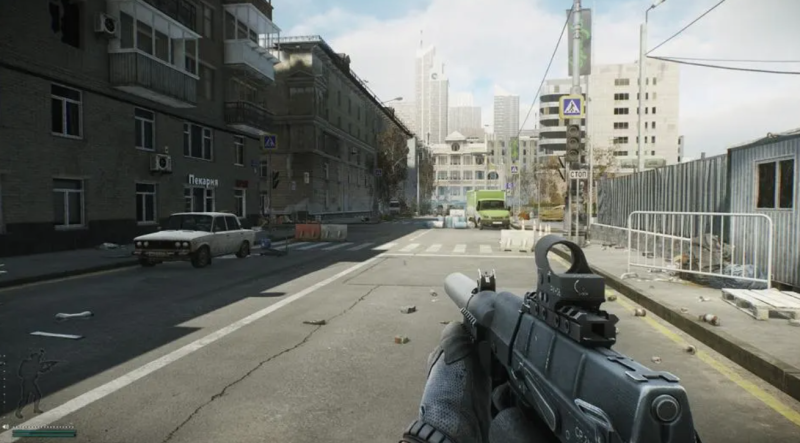
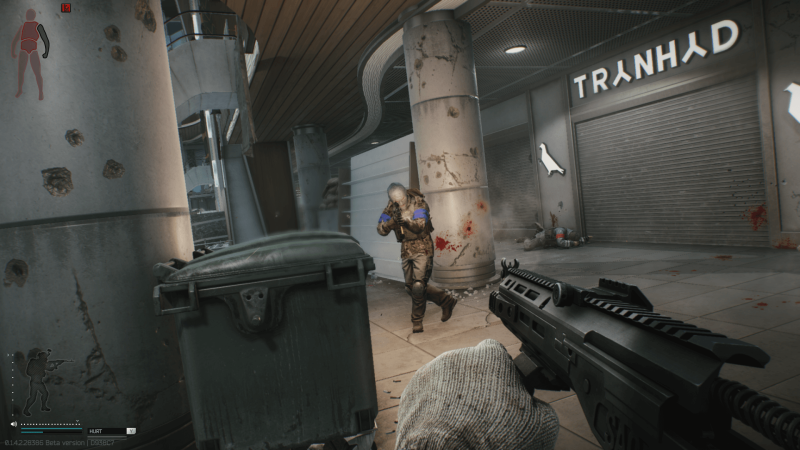
The most interesting thing about Battlestate Games finally coming for Single Player Tarkov isn't that it happened, it's the timing, because SPT has been sitting in plain sight, in an obvious legal grey area, since 2019. For roughly six years the fan project has let people play Escape from Tarkov entirely offline, stuffed with mods that rework the AI, the economy, the gear, the progression, and the difficulty, and Battlestate simply let it be. Now, out of nowhere, the studio's lawyers have fired off a trademark notice, and the SPT team has responded by pulling the whole thing down, with The Forge, the sp-tarkov.com domain, and the patch-hosting infrastructure all set to go dark on or before August 12. Lead developer DrakiaXYZ put it plainly on Discord: "This is the end of the SPT Project under the current team, and in its current form." Six years of tolerance, ended in an afternoon. The question worth chewing on is what changed.
Because the letter itself was almost mild. Battlestate's legal team didn't demand SPT shut down, didn't threaten to sue the developers into the ground, and didn't come after the actual code. What it objected to was narrow and specific: the domain sp-tarkov.com "incorporates our trademark 'Tarkov,'" and the site uses BSG's trademarks "in connection with the offering of a computer game." The demand was to drop the Tarkov branding, change the domain, and stop presenting the project as associated with the game or anything "confusingly similar." That's a naming complaint, not an execution order. Which is exactly why the abruptness of BSG deciding to act at all, after years of studied indifference, is the part that raises an eyebrow. A company doesn't suddenly notice a trademark it has ignored for six years. It decides the moment has arrived to enforce it.
The Timing Points at a Very Specific Change
So what shifted? The most plausible answer is that Escape from Tarkov itself has changed status. The game recently hit its 1.0 launch and has been moving out of its long early-access limbo and onto storefronts like Steam, which is precisely the kind of commercial milestone that makes a studio suddenly very interested in tightening control over its brand. When your game is a scrappy, perpetually-in-beta passion project, a fan-made offline version feels like flattery. When it's a finished, commercially-launched product with a mainstream store presence and a brand to protect, that same fan project starts to look like a liability sitting on a domain carrying your trademark. The cleaner and more official Tarkov becomes, the less room there is for an unofficial thing wearing its name.
There's a louder theory doing the rounds too, and it's worth airing even if it's harder to prove. A chunk of the community is convinced this is about competition rather than housekeeping, arguing that SPT has been "eating BSG's lunch for years." The logic goes that so many players fled the live game's cheater infestation and server problems for SPT's clean, offline experience that Battlestate felt the sting, and that its eventual decision to add an official PvE mode to Tarkov was a direct scramble to win those people back. Under that reading, the trademark notice isn't administrative tidiness, it's a studio finally moving against enthusiasts who were arguably serving a slice of the audience better than the studio was. It's a compelling narrative, and the frustration behind it is real, but it should be labelled for what it is: community speculation about motive, not something BSG has stated. What we can say for certain is that the enforcement is real, the timing is conspicuous, and it lines up neatly with Tarkov's shift to a fully commercial product.
A Fight SPT Was Never Going to Win
Here's the deflating truth underneath all the anger, and the SPT developers clearly understand it even if some of their fans don't. Whatever BSG's motive, the fan project simply has no ground to stand on. The entire thing is built directly on top of Escape from Tarkov's code and Battlestate's intellectual property. It has always existed at the pleasure of a rights holder who chose not to enforce, and the instant that rights holder decided to enforce, the game was effectively over. That's the precarious, unspoken bargain every unofficial fan project lives under, beloved, tolerated, and one legal letter away from oblivion, entirely at the mercy of the company that owns the thing it's built on.
That reality is also why the community's frustration keeps circling back to a fair but ultimately futile question: did SPT overreact? The letter only asked for a rename, so plenty of users argue the team could have simply shuffled the branding, ditched "Tarkov" from the domain, and carried on serving thousands of players. And maybe a rename buys some time. But the SPT team clearly read the notice as the opening move rather than the whole game, correctly recognising that a studio which has decided to start enforcing its trademark is unlikely to stop at the domain name, and that continuing to distribute patches for a commercial game you don't own is a fight with no winning endgame. So they're stepping down rather than dragging it out. Their announcement was also forced early, with Drakia noting that leaked internal communications pushed them into going public "before a final decision was made," which explains some of the chaos around the messaging.
More:Tarkov's Task Overhaul Trades Rigid Quest Chains for Trader Loyalty
 Read
Read
 Source Editing
 Visual Editing


 Related news