Fnatic Launches CS2 Skin Gambling Platform STASHD to Intense Community Backlash

From TwogPedia
News/Fnatic Launches CS2 Skin Gambling Platform STASHD to Intense Community Backlash


Fnatic Launches CS2 Skin Gambling Platform STASHD to Intense Community Backlash

Drama

30 April 2026 07:30

TL;DR

  • Fnatic has unveiled STASHD, a Counter-Strike skin gambling and trading platform, following a month of social media teasers, immediately drawing community backlash from fans who accuse the organisation of prioritising gambling revenue over its CS roster and brand integrity.
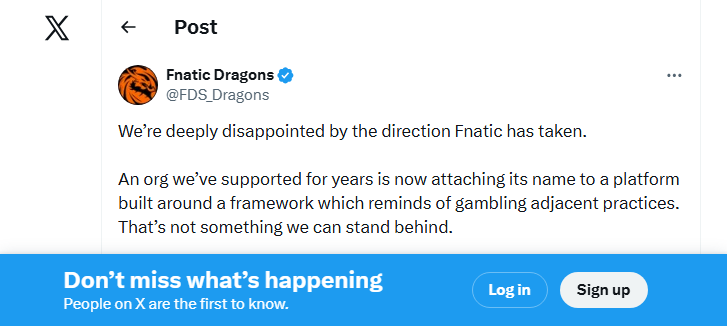
  • A Fnatic fan club with thousands of followers publicly condemned the platform, citing concern for young fans and gambling-adjacent practices, with comments reflecting broader frustration about the organisation's perceived priorities under current leadership.


Fnatic has been building STASHD for a month in public, with teasers across social media before the full reveal landed two days ago. The community's reaction landed immediately after.

Skin gambling and trading platforms are not new to Counter-Strike. The ecosystem has had case opening sites, skin betting operators, and trading platforms for over a decade.

What's different here is the brand attached to it. Fnatic isn't a faceless operator. It's one of esports' most recognisable names, with a fanbase that includes a significant portion of younger players who've grown up watching the orange jersey.

What the Community Said

The most organised response came from a Fnatic fan club with thousands of followers, who published a public condemnation that went beyond simple disapproval: "We're deeply disappointed by the direction Fnatic has taken. An org we've supported for years is now attaching its name to a platform built around a framework which reminds of gambling adjacent practices. That's not something we can stand behind. We want to be clear, this is not about resisting change or growth. It is about protecting a community that includes many young and impressionable fans. We strongly condemn this type of practice."

The framing around young fans is the most pointed part of that statement. CS2's skin economy attracts players across a wide age range, and a platform with Fnatic's credibility attached to it carries implicit endorsement weight that a random unnamed site doesn't. Comments under the post were less diplomatic. "This is what happens when the org has been run into the ground by incompetent leadership" is the kind of remark that reflects pre-existing frustration finding a new outlet. "Fnatic would literally rather chase gambling money in CS than actually take care of their own CS team" targets the competitive investment question that's been a running thread in the community's concerns about the organisation.

The Revenue Logic Nobody Wants to Defend

One user in the comments offered the counterpoint that most of the industry quietly agrees with: "Promoting gambling sucks, but esports orgs don't have many other ways to make money. If you're not already running world class rosters or backed by investors with deep pockets, it's tough to win or pull fans."

More:Xbox's Asha Sharma Confirms Memory Shortage Will Impact Project Helix Price and Availability

Share:


Fnatic Launches CS2 Skin Gambling Platform STASHD to Intense Community Backlash

Drama

30 April 2026 07:30

TL;DR

  • Fnatic has unveiled STASHD, a Counter-Strike skin gambling and trading platform, following a month of social media teasers, immediately drawing community backlash from fans who accuse the organisation of prioritising gambling revenue over its CS roster and brand integrity.
  • A Fnatic fan club with thousands of followers publicly condemned the platform, citing concern for young fans and gambling-adjacent practices, with comments reflecting broader frustration about the organisation's perceived priorities under current leadership.


Fnatic has been building STASHD for a month in public, with teasers across social media before the full reveal landed two days ago. The community's reaction landed immediately after.

Skin gambling and trading platforms are not new to Counter-Strike. The ecosystem has had case opening sites, skin betting operators, and trading platforms for over a decade.

What's different here is the brand attached to it. Fnatic isn't a faceless operator. It's one of esports' most recognisable names, with a fanbase that includes a significant portion of younger players who've grown up watching the orange jersey.

What the Community Said

The most organised response came from a Fnatic fan club with thousands of followers, who published a public condemnation that went beyond simple disapproval: "We're deeply disappointed by the direction Fnatic has taken. An org we've supported for years is now attaching its name to a platform built around a framework which reminds of gambling adjacent practices. That's not something we can stand behind. We want to be clear, this is not about resisting change or growth. It is about protecting a community that includes many young and impressionable fans. We strongly condemn this type of practice."

The framing around young fans is the most pointed part of that statement. CS2's skin economy attracts players across a wide age range, and a platform with Fnatic's credibility attached to it carries implicit endorsement weight that a random unnamed site doesn't. Comments under the post were less diplomatic. "This is what happens when the org has been run into the ground by incompetent leadership" is the kind of remark that reflects pre-existing frustration finding a new outlet. "Fnatic would literally rather chase gambling money in CS than actually take care of their own CS team" targets the competitive investment question that's been a running thread in the community's concerns about the organisation.

The Revenue Logic Nobody Wants to Defend

One user in the comments offered the counterpoint that most of the industry quietly agrees with: "Promoting gambling sucks, but esports orgs don't have many other ways to make money. If you're not already running world class rosters or backed by investors with deep pockets, it's tough to win or pull fans."

More:Xbox's Asha Sharma Confirms Memory Shortage Will Impact Project Helix Price and Availability

Share:
Sources:

Media Archive: