Rocket League's Unreal Engine 6 Jump Is a Full Rebuild

From TwogPedia
News/Rocket League's Unreal Engine 6 Jump Is a Full Rebuild


Rocket League's Unreal Engine 6 Jump Is a Full Rebuild

Drama

28 May 2026 10:29

Epic Games finally unveiled Unreal Engine 6 and chose Rocket League to demonstrate.

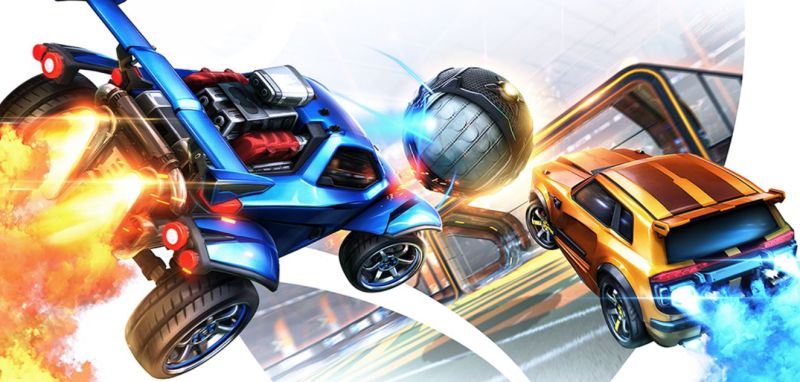
The minute-long clip that closed out the RLCS Paris Major on May 24 leaned entirely on spectacle, flashing nicer lighting, more detailed cars, and a "new era, new engine" tagline before landing on the Unreal Engine 6 logo, with Psyonix offering nothing but "What. A. Moment." in the description. No release date, no feature list, no technical details for now. Undoubtedly this is an upgrade for Rocket League, since we know it has run on a heavily customized version of Unreal Engine 3 since it launched in 2015, and jumping all the way to UE6 isn't a simple patch.

Psyonix has previously described migrating the game off Unreal Engine 3 as essentially rebuilding it from the ground up, which is exactly why every "next-gen" upgrade the game has received over the years focused on resolution and frame rate rather than swapping the engine underneath. The old engine was load-bearing in a way that made replacing it terrifying. Skipping UE4 and UE5 entirely to land on UE6 means Psyonix is finally committing to the rebuild it spent a decade avoiding, taking a game that still runs on Xbox 360-era technology and rehoming it on Epic's newest engine.

The Physics Are the Whole Game, and That's the Risk

To be honest, there was mixed reactions from the community. The entire esports identity of the game rests on precise, predictable ball physics and car movement, the muscle memory of thousands of hours that lets a pro hit an aerial double-touch the same way every single time. Rebuild the engine and you risk altering the one thing that cannot change. In plain terms, nobody who plays this game seriously cares about better reflections, they care about whether the ball still bounces exactly the way it does now, and a ground-up engine swap is precisely the kind of change that can quietly break that feel.

Although some highlighted that it looks great. This is where we will how they will repackacge that old feel.

Why Epic Picked Rocket League and Not Fortnite

Fortnite was used before. The company used Fortnite as a live testbed to harden UE5 internally for years before that engine ever shipped to outside developers, and doing the same with its own owned titles for UE6 continues that exact logic. Using Rocket League as the first public proof point lets Epic Games showcase a recognizable live game rather than a sterile tech demo, while keeping the whole thing inside its own studio walls where the migration risk stays contained. The teaser also flashed a Fortnite reference, suggesting both of Epic's marquee live-service properties are moving to UE6.

In a way this is speculation but Fortnite also needs some upgrades for sure, whether that upgrade can deliver is another set of questions. This demo was more of a teaser not a full live product, take it with a pinch of salt.

More:FIFA Partners with Rocket League

Share:


Rocket League's Unreal Engine 6 Jump Is a Full Rebuild

Drama

28 May 2026 10:29

Epic Games finally unveiled Unreal Engine 6 and chose Rocket League to demonstrate.

The minute-long clip that closed out the RLCS Paris Major on May 24 leaned entirely on spectacle, flashing nicer lighting, more detailed cars, and a "new era, new engine" tagline before landing on the Unreal Engine 6 logo, with Psyonix offering nothing but "What. A. Moment." in the description. No release date, no feature list, no technical details for now. Undoubtedly this is an upgrade for Rocket League, since we know it has run on a heavily customized version of Unreal Engine 3 since it launched in 2015, and jumping all the way to UE6 isn't a simple patch.

Psyonix has previously described migrating the game off Unreal Engine 3 as essentially rebuilding it from the ground up, which is exactly why every "next-gen" upgrade the game has received over the years focused on resolution and frame rate rather than swapping the engine underneath. The old engine was load-bearing in a way that made replacing it terrifying. Skipping UE4 and UE5 entirely to land on UE6 means Psyonix is finally committing to the rebuild it spent a decade avoiding, taking a game that still runs on Xbox 360-era technology and rehoming it on Epic's newest engine.

The Physics Are the Whole Game, and That's the Risk

To be honest, there was mixed reactions from the community. The entire esports identity of the game rests on precise, predictable ball physics and car movement, the muscle memory of thousands of hours that lets a pro hit an aerial double-touch the same way every single time. Rebuild the engine and you risk altering the one thing that cannot change. In plain terms, nobody who plays this game seriously cares about better reflections, they care about whether the ball still bounces exactly the way it does now, and a ground-up engine swap is precisely the kind of change that can quietly break that feel.

Although some highlighted that it looks great. This is where we will how they will repackacge that old feel.

Why Epic Picked Rocket League and Not Fortnite

Fortnite was used before. The company used Fortnite as a live testbed to harden UE5 internally for years before that engine ever shipped to outside developers, and doing the same with its own owned titles for UE6 continues that exact logic. Using Rocket League as the first public proof point lets Epic Games showcase a recognizable live game rather than a sterile tech demo, while keeping the whole thing inside its own studio walls where the migration risk stays contained. The teaser also flashed a Fortnite reference, suggesting both of Epic's marquee live-service properties are moving to UE6.

In a way this is speculation but Fortnite also needs some upgrades for sure, whether that upgrade can deliver is another set of questions. This demo was more of a teaser not a full live product, take it with a pinch of salt.

More:FIFA Partners with Rocket League

Share:
Sources: