The deal that was never popular to begin with is paused.
A US judge freezing the $110 billion Paramount-Warner Bros. Discovery merger is being framed as a battle over Hollywood studios and streaming, but for gamers the story is what's happening to the WBD games division caught in the middle of it. Judge granted a 14-day temporary restraining order on July 20, blocking Paramount from closing a deal it had hoped to wrap by July 22, after a 12-state coalition led by California Attorney General Rob Bonta sued on antitrust grounds. The block can be extended, a preliminary injunction hearing is set for August 3, and the whole thing could stretch on for months. And sitting quietly inside the assets being fought over is one of the most valuable game IP portfolios in the industry, now facing yet another indefinite stretch of uncertainty.
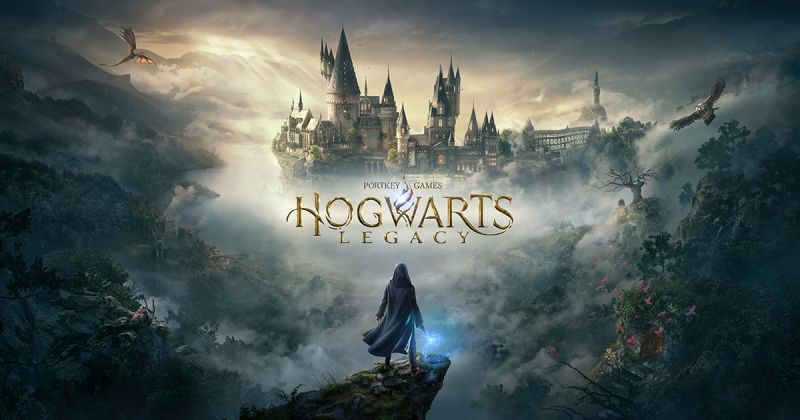
To understand why this matters to games specifically, you have to remember what's actually in the box. WBD owns a games operation built around genuinely elite intellectual property, including Batman and the wider DC roster, Mortal Kombat, Harry Potter and the Hogwarts Legacy franchise, Game of Thrones, and more. That's the portfolio that produced Hogwarts Legacy, one of the best-selling games of its year, and the enduring Mortal Kombat series. The judge's own reasoning centred on the merger consolidating two of the remaining five major Hollywood studios, writing that "the combined firm resulting from the transaction will possess substantial market share" and that on that basis alone she could "presume the proposed merger is likely to violate antitrust laws." Games weren't the focus of her ruling at all, which is precisely the point. The division's fate is being decided as a side effect of a fight about theatrical film distribution and cable licensing, with nobody in the courtroom particularly focused on what happens to the studios making the games.
A Year of Being For Sale, With No End in Sight
The cruel part for anyone invested in these franchises is how long this limbo has already dragged on, and how much longer it now threatens to run. WBD has effectively been for sale since October 2025, when it announced it was exploring a "potential sale." Since then, its games arm has been passed around as a bargaining chip in a corporate saga with no resolution. Netflix bid $82.7 billion in December, explicitly including the games division, then walked away in February after Paramount countered with a larger offer and a lawsuit. Paramount won that contest, only to now run headlong into the antitrust wall. So the games studios have spent the better part of a year not knowing who their ultimate owner will be, what strategy that owner will bring, or whether their projects fit into it, and the TRO just added at least another two weeks, potentially far more, to that wait.
Prolonged ownership uncertainty is genuinely corrosive for game development, which runs on multi-year timelines and long-term investment decisions. Studios stuck in this kind of purgatory tend to see projects delayed, greenlights frozen, and talent grow nervous and start eyeing the exits, because nobody wants to pour years into a game that a future owner might cancel on day one. WBD's games unit has already had a turbulent stretch, and this drawn-out sale process only compounds the instability. The teams behind DC and Mortal Kombat games are being asked to keep building at full speed while the ground beneath the entire company keeps shifting.
The Pressure Cooker Around the Deal
This isn't a lone lawsuit. The European Union's antitrust arm is reviewing the merger, the UK has said she's "minded to intervene" over concentrated media ownership, the Writers Guild of America has filed its own antitrust suit, and organised labour and consumer groups are lined up against it too. Layered on top is the politically charged element of Paramount's controlling Ellison family relationship with President Trump, given the deal would put two major newsrooms under that family's control. That's a lot of forces pulling at a single transaction.
And the financial clock is brutal. Starting October 1, Paramount must pay WBD shareholders a "ticking fee" of roughly $650 million every 90 days the deal remains unclosed, and if it isn't consummated by June 2027, Paramount owes WBD a staggering $7 billion. Those escalating penalties create enormous pressure to either force the deal through quickly or, conceivably, walk away, and either outcome has consequences for the games studios. A rushed close under legal duress, a lengthy court battle, or a total Collapse each spells a different but equally uncertain future for the teams inside. Paramount insists the deal is "lawful, pro-competitive," and vows to fight on, while Bonta calls the ruling "a critical first win" toward ensuring the merger "never sees the light of day." Whichever way it breaks, the DC, Mortal Kombat, and Hogwarts teams are along for a ride they have no control over, building blockbuster games for a company that still can't tell them who they'll be working for next year. For franchises this beloved, that's a genuinely uneasy place to sit, and the judge's gavel just guaranteed the wait goes on.
More:The Paramount-WBD Merger Pools a Mountain of Game IP
 Read
Read
 Source Editing
 Visual Editing


 Related news